Local Electrical Service Considerations in Schenectady, New York
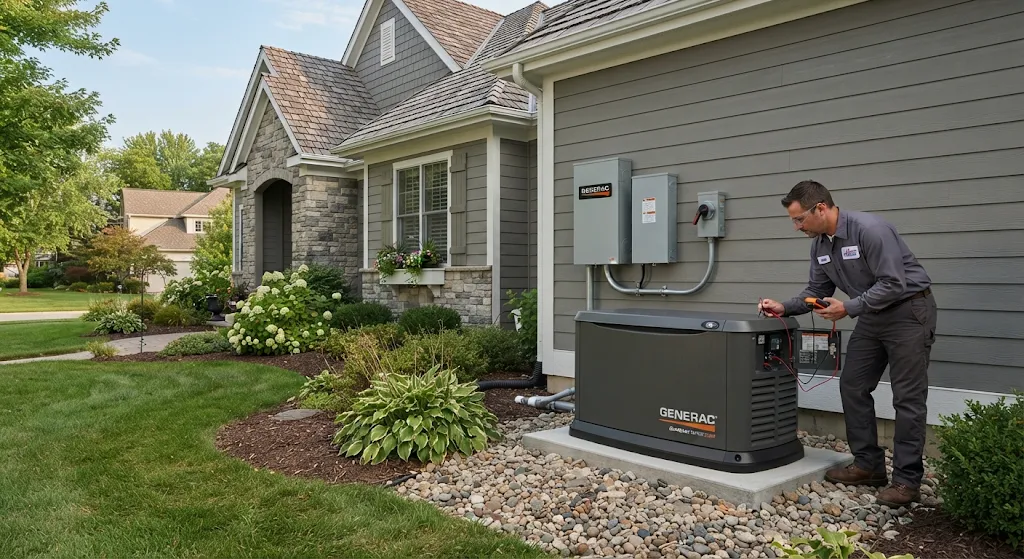
Schenectady boasts an unparalleled legacy of electrical innovation as the historic home of General Electric and Thomas Edison's Edison Electric Company. Its neighborhoods range from the colonial and early-American homes of the Stockade Historic District—requiring meticulous preservation when retrofitting electrical conduits—to post-war single-family homes in Woodlawn and modern commercial and tech redevelopments along the Mohawk Harbor. Severe upstate winter weather and freezing ice storms make reliable standby generator installations, severe surge protection, and robust main service panels essential for local homeowners and light industrial facilities throughout Schenectady County.
Electrical demands across Schenectady require careful alignment with local municipal building departments, utility service connection requirements (such as Consolidated Edison, National Grid, NYSEG, or PSEG Long Island depending on the region), and regional weather patterns. Whether modernizing an older residential electrical service or engineering complex commercial distribution infrastructure, understanding local code requirements ensures that electrical work is executed safely, efficiently, and with full legal compliance.
Residential Building Stock and Common Electrical Challenges
The structural age of housing across Schenectady significantly influences the type of electrical work required. Homes constructed prior to the mid-1970s were engineered during an era when household electrical consumption was a fraction of contemporary demand. Typical residential loads in that era supported basic incandescent lighting, a refrigerator, a television, and minor small appliances, commonly serviced by 60-amp or 100-amp electrical panels.
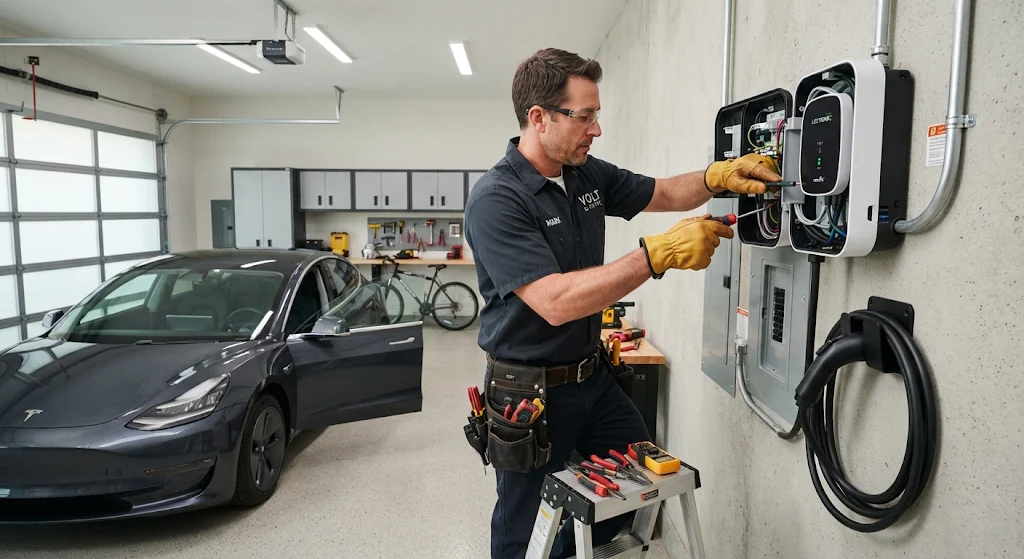
Today, Schenectady homeowners routinely operate high-demand electrical systems: central air conditioning compressors, electric heat pump heating units, induction cooktops, dual electric vehicle (EV) charging stations, high-end home theaters, and multiple dedicated computer workstations. Running these modern loads on legacy electrical infrastructure leads to common operational hazards:
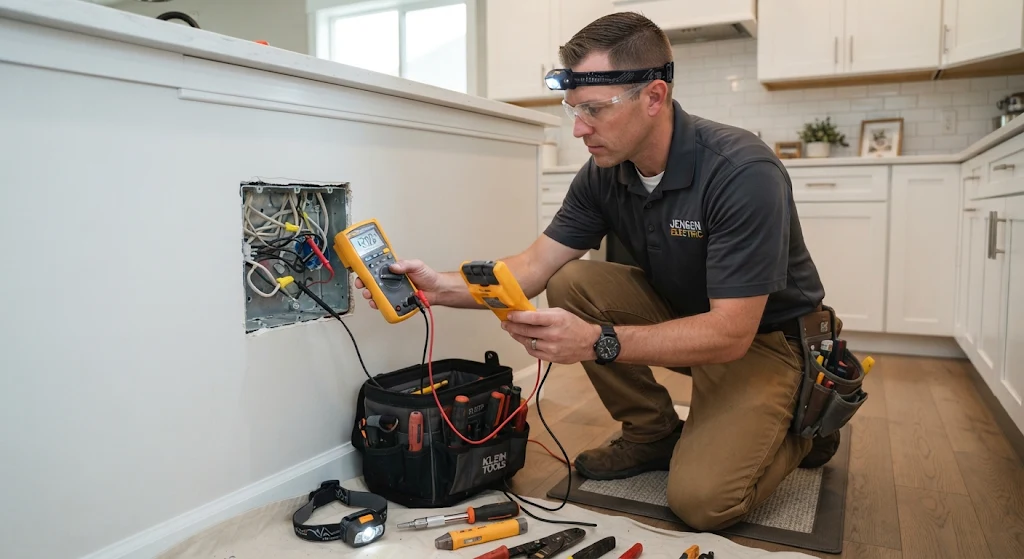
- Persistent Breaker Tripping: Overloaded branch circuits frequently trip breakers when two high-wattage appliances (such as a microwave and space heater or hair dryer) share the same circuit conductor.
- Voltage Sag and Light Flickering: Noticeable dimming of lights when major motor loads (like air conditioners or sump pumps) engage, indicating undersized service entrance conductors or high resistance connections.
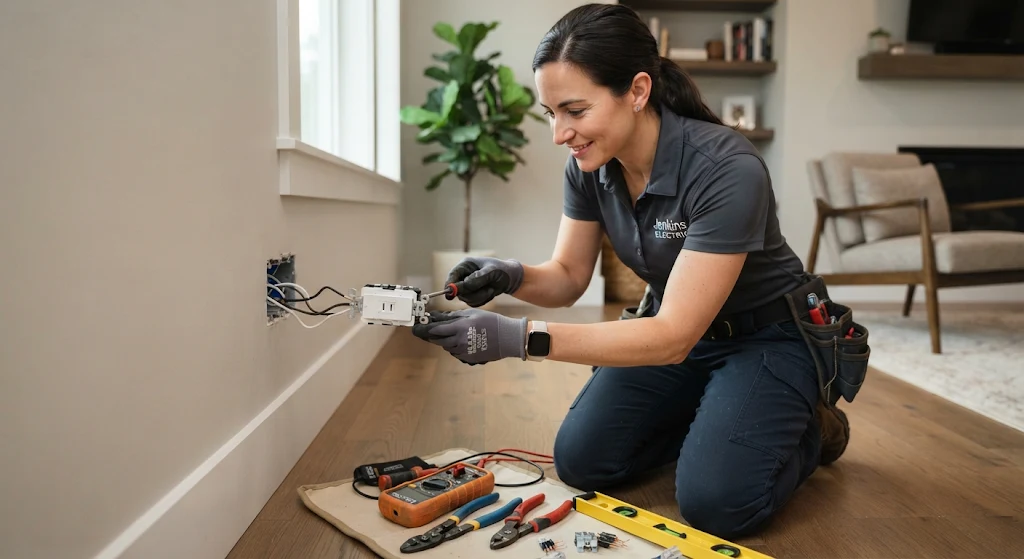
- Thermal Deterioration: Warped, scorched, or hot-to-the-touch outlet faceplates caused by continuous current draw through loose terminal screws or aging push-in back-wire connections.
- Ungrounded Receptacles: Outdated two-slot receptacles lacking an equipment grounding conductor, exposing sensitive microprocessors to surge vulnerability and creating potential shock risks.
Need an Electrician in Schenectady?
Connect with an independent electrical contractor licensed to operate in Schenectady County for fast diagnostic evaluations, panel modernizations, and code-compliant installations.
Commercial and Facility Electrical Demands in Schenectady
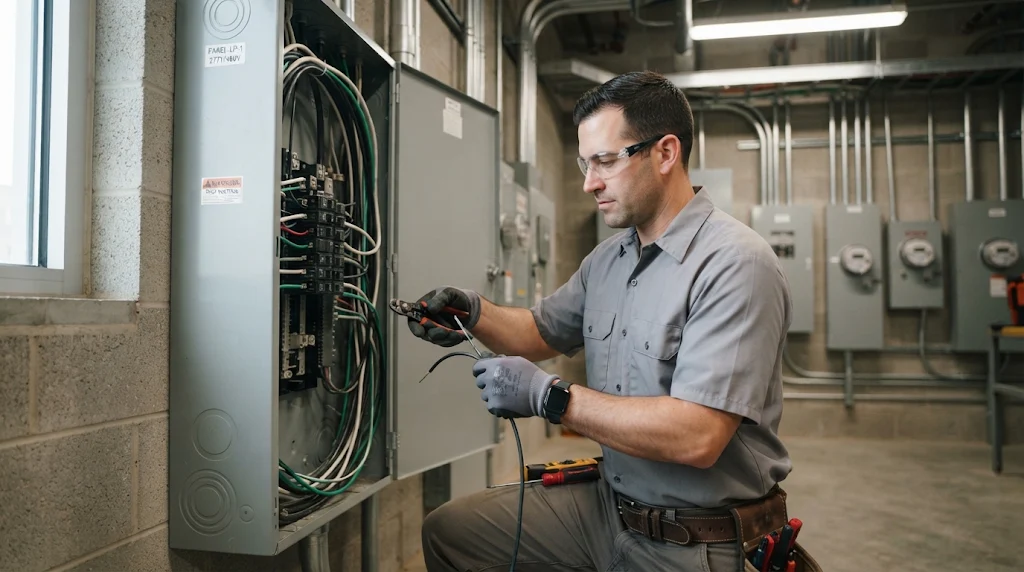
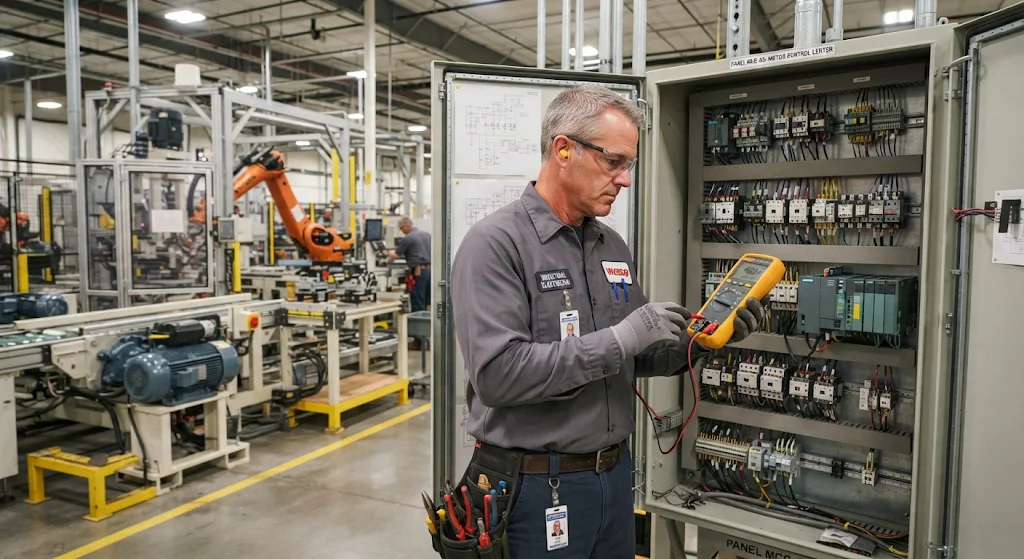
Commercial properties across Schenectady—including retail shopping plazas, medical suites, light industrial warehouses, and dining establishments—face stringent electrical safety, life-safety lighting, and power distribution regulations. Independent electrical contractors operating in Schenectady County provide dedicated commercial services tailored to local operational continuity:
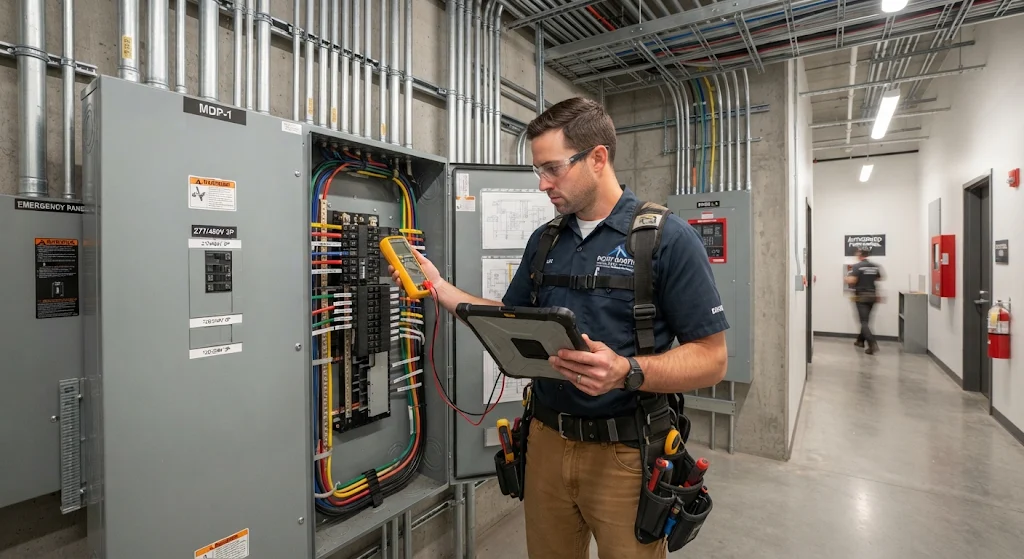
- Three-Phase Electrical Power Distribution: Installing 120/208V and 277/480V step-down transformers, commercial panelboards, and motor disconnects for heavy commercial machinery and commercial refrigeration.
- Emergency Egress & Exit Illumination: Routine testing, battery replacement, and dedicated circuit installation for code-mandated emergency lighting systems in accordance with NFPA 101 Life Safety Code.
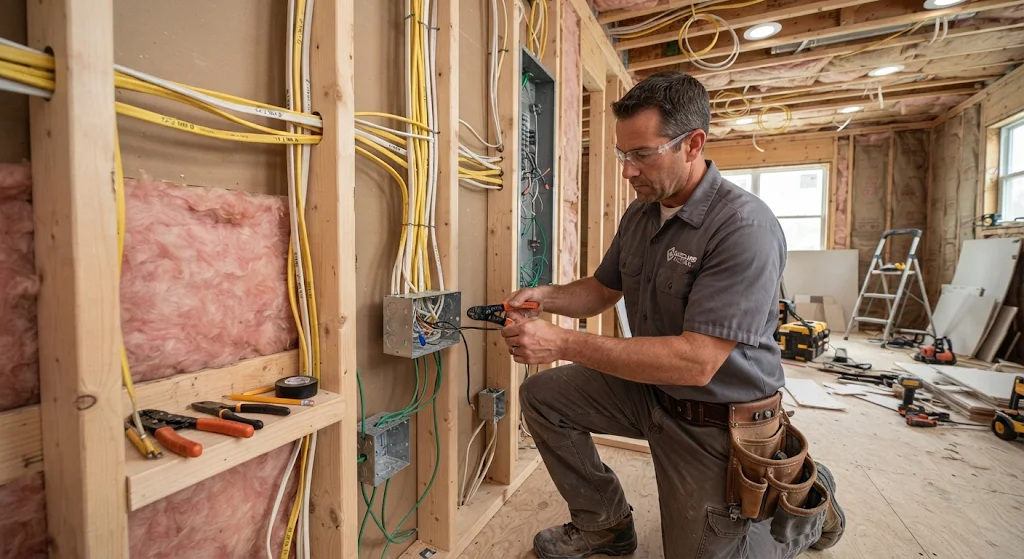
- Tenant Fit-Outs and Remodeling: Complete electrical design and conduit routing for office reconfigurations, retail layout changes, and commercial kitchen power drops.
- Dedicated Server and Equipment Power: Isolated ground circuits, uninterruptible power supply (UPS) connections, and surge suppression safeguarding mission-critical telecommunications infrastructure.
Permitting, Inspection Protocols, and Contractor Verification
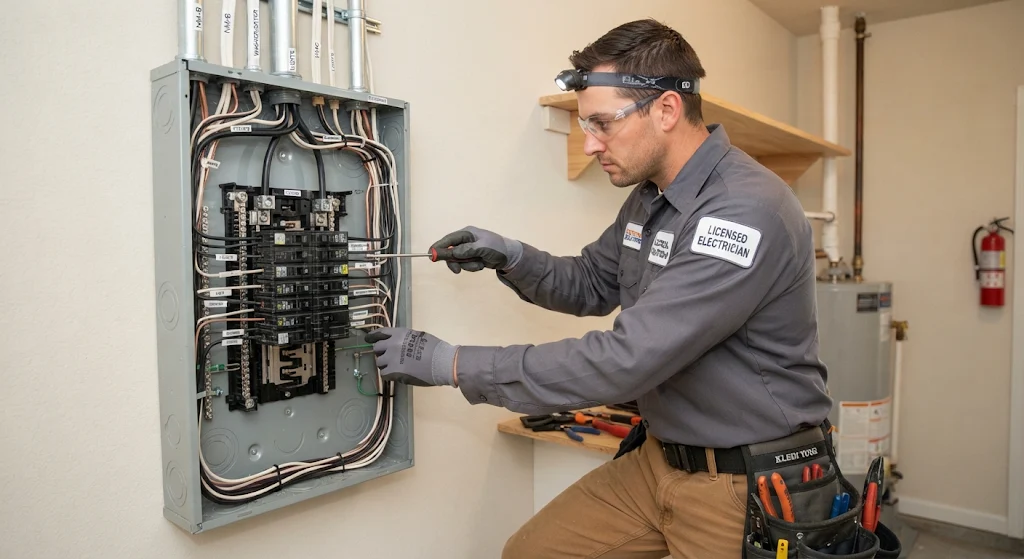
Electrical modifications in Schenectady are governed by the New York State Uniform Fire Prevention and Building Code and local municipal code amendments. Significant electrical work—including service upgrades, new subpanels, whole-home rewiring, commercial fit-outs, EV chargers, and standby generator installations—requires an electrical permit filed with the local municipal building department prior to beginning work.
Upon completing rough-in and final trim installations, official inspections are performed by municipal building officials or accredited third-party electrical inspection agencies authorized to operate within Schenectady County. A formal Certificate of Electrical Inspection is issued upon full code compliance, protecting property value, ensuring occupant safety, and fulfilling insurance underwriting requirements.
WATT911 reminds property owners to independently verify contractor licensing, active commercial general liability coverage, and local permit filings before authorizing physical work on their premises.