Whole-Home Surge Protection and Grounding in Irondequoit, NY
Modern residential and commercial properties in Irondequoit contain tens of thousands of dollars in sensitive microprocessor-driven equipment: smart appliances, heat pump control boards, computers, home entertainment systems, security equipment, and electric vehicle chargers. These sophisticated microelectronic components are vulnerable to destructive electrical voltage transients and switching surges that travel across utility distribution lines.
While point-of-use plug-in power strips offer minor localized protection, they cannot safeguard hardwired appliances—such as HVAC compressors, refrigerators, dishwashers, and water heaters—from massive grid surges. Whole-home surge protection, installed directly at the main electrical service panel, stops transient voltage spikes at your property's boundary, diverting excess electrical energy safely into the earth before it reaches sensitive interior circuits. Independent electrical contractors connected through WATT911 install certified Type 1 and Type 2 Surge Protective Devices (SPDs) across Irondequoit and Monroe County.
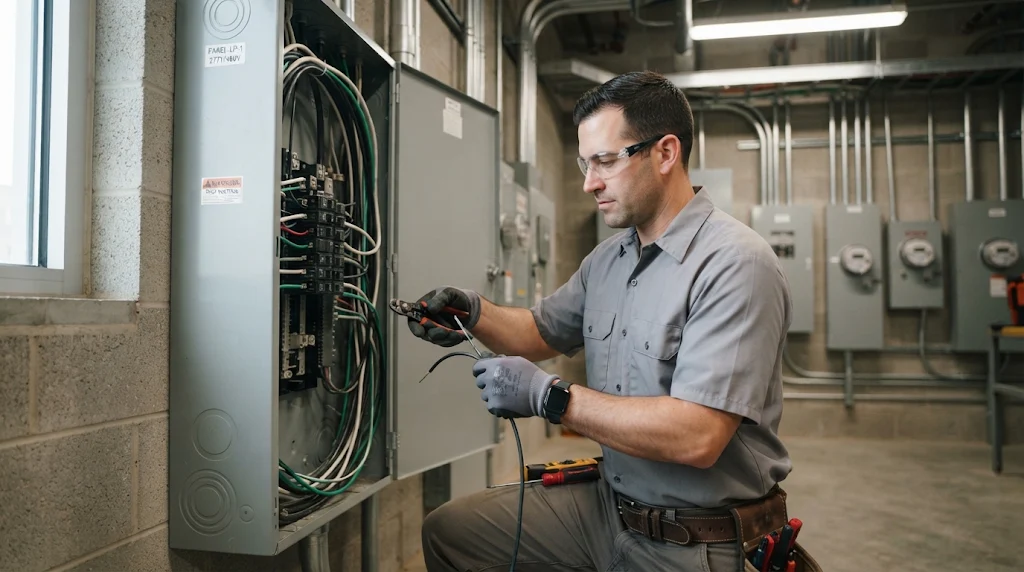
The Science and Sources of Voltage Surges in Irondequoit
Many property owners believe that electrical surges are solely caused by rare, direct lightning strikes. In reality, lightning is responsible for only a small percentage of surge events. Most electrical surges affecting Irondequoit homes originate from two primary sources:
- External Utility Grid Disturbances: Electrical grid switching, utility capacitor bank operations, downed power lines during severe winter ice storms, and sudden power restoration following an outage produce massive transient voltage spikes that travel directly into residential service entrances.
- Internal Inductive Load Switching (Up to 80% of Surges): Large household motors—such as central air conditioning compressors, heat pumps, vacuum cleaner motors, and refrigerator compressors—generate miniature transient voltage spikes every time they cycle on and off. Over months and years, these cumulative micro-surges degrade the microprocessors inside modern smart televisions, laptops, and appliances, resulting in unexplained premature component failure.
Shield Your Property with Surge Protection
Connect with licensed independent electrical contractors in Monroe County to install panel-mounted Type 1 and Type 2 surge protective devices and verify ground rod resistance.
Comprehensive Tiered Surge Protection Architecture
The National Electrical Code (NEC Article 242) and the Institute of Electrical and Electronics Engineers (IEEE) recommend a cascading, multi-tiered defense against electrical transients:
- Type 1 Surge Protective Device (Meter Level): Installed on the line side of the main service disconnect or at the utility meter base. Type 1 SPDs shield against major incoming external surges, including nearby lightning transients and utility power switching.
- Type 2 Surge Protective Device (Panel Mounted): Installed on the load side of the main breaker inside your primary electrical distribution panel. Type 2 devices clamp residual voltage transients and divert internally generated switching surges directly to the grounding electrode system.
- Type 3 Point-of-Use Surge Strips: High-grade surge suppressor strips plugged directly into wall receptacles to provide final clamping voltage protection for highly sensitive computing and audio-video equipment.
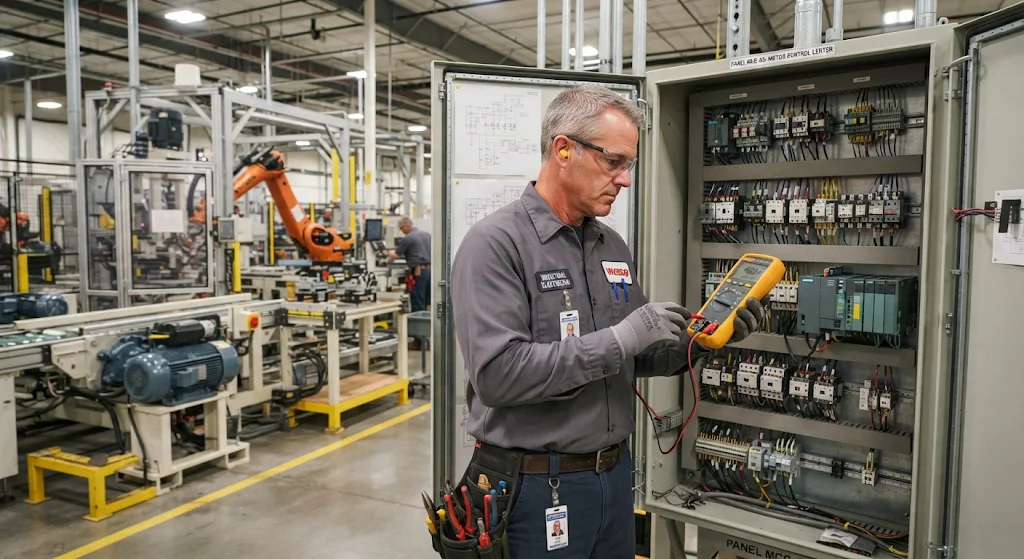
The Critical Importance of Grounding System Integrity
A surge protective device is only as effective as the grounding system it connects to. Surge suppressors do not absorb voltage spikes; they rapidly channel excess electrical current into the earth. If your Irondequoit property has loose ground clamps, corroded copper ground rods, or an unbonded interior water pipe, surge suppressors cannot dissipate transient energy, rendering them ineffective.
When installing a whole-home SPD in Irondequoit, independent electrical contractors test grounding electrode resistance, verify bond connections to the incoming water service and gas piping, and install supplementary copper-clad steel ground rods where required by current New York building codes.